Architectural vs 3-Tab Shingles: Best Choice for Illinois Roofs
For many Lake County homeowners, the shingle choice comes down to one practical question: pay less now, or choose a roof built for more years of Midwest weather. Architectural vs 3-tab shingles is not just a style comparison. In Waukegan, Gurnee, Zion, Libertyville, Lake Forest, and nearby southern Wisconsin communities, your roof has to handle spring hail, summer wind, Lake Michigan moisture, freeze-thaw cycles, and winter ice along the eaves. The right choice depends on budget, roof shape, curb appeal, and how long you plan to stay in the home.
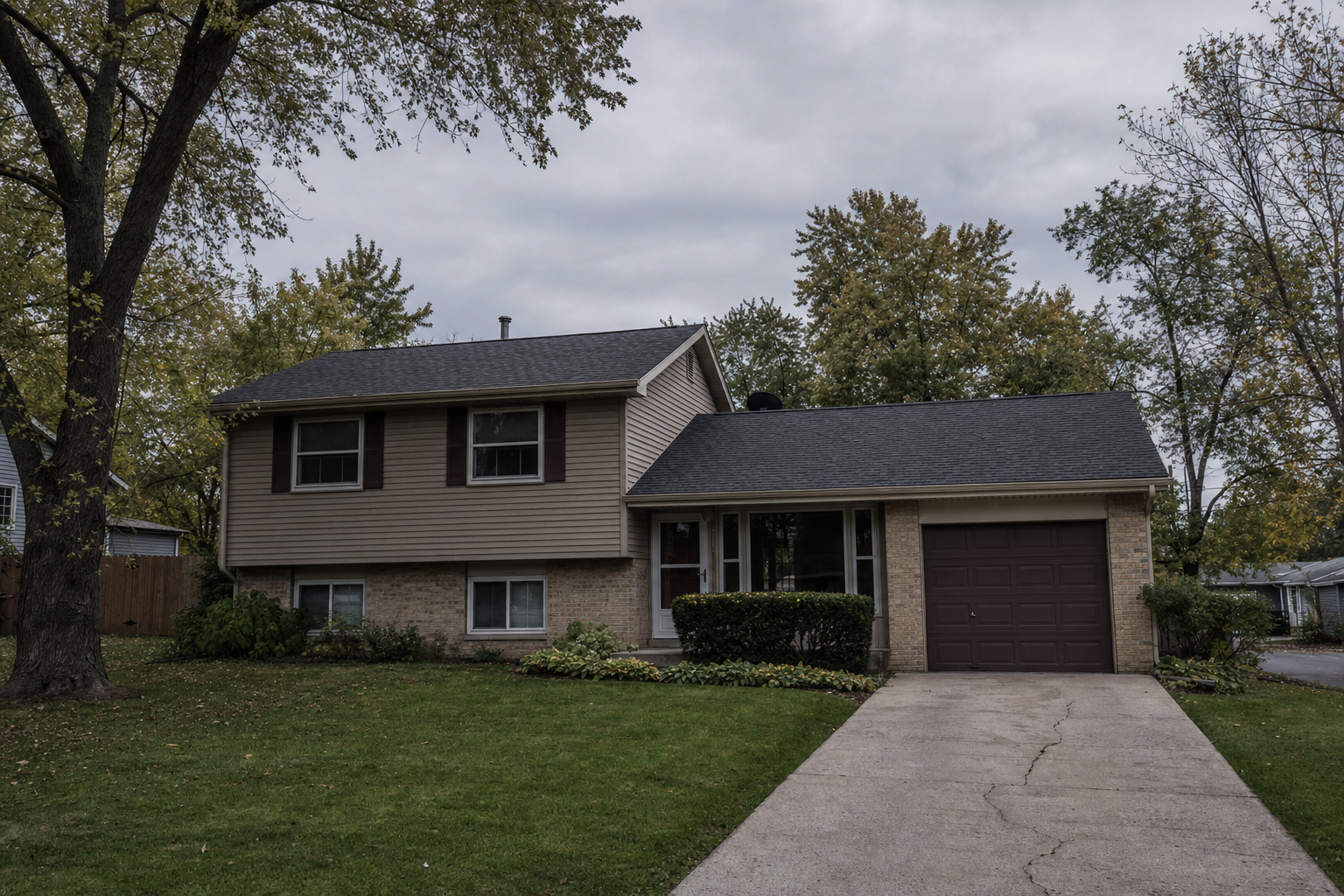
What Is the Difference Between Architectural and 3-Tab Shingles?
For Illinois homeowners, the architectural vs 3-tab shingles decision starts with how each shingle is built.
Both are asphalt shingles, but they are not built the same way.
3-tab shingles use a flat strip design cut to resemble three separate tabs. That gives the roof a simple, repeated pattern, and it usually keeps the initial material cost lower.
Architectural shingles, also called dimensional shingles, are laminated asphalt shingles with a thicker, more textured roof profile. Architectural shingles use laminated asphalt layers to create a thicker, dimensional roof profile. [1] That added depth is why many homeowners choose them for ranch, split-level, colonial, and cape cod homes common around Lake County.
How Illinois Weather Changes the Decision
Northern Illinois roofs deal with strong wind gusts, sudden hail, wet snow, and long freeze-thaw stretches. The National Weather Service defines a severe thunderstorm as one capable of producing hail at least 1 inch in diameter, wind gusts of 58 mph or stronger, or a tornado. [2]
That matters because roof wear is often cumulative. Lifted tabs, missing granules, nail pops, brittle shingles, clogged gutters, and repeated moisture exposure can all shorten roof life. Granule loss means the wearing away of the protective mineral surface on asphalt shingles, which can show up as grit in gutters after storms.
For an Illinois roof, architectural vs 3-tab shingles is also a storm-exposure question. Architectural shingles generally provide more material thickness and a more dimensional seal area, while 3-tab shingles have a flatter, lighter profile. Attic ventilation and installation quality can affect the life of either roof type, so the shingle alone should never be treated as the whole roofing system.
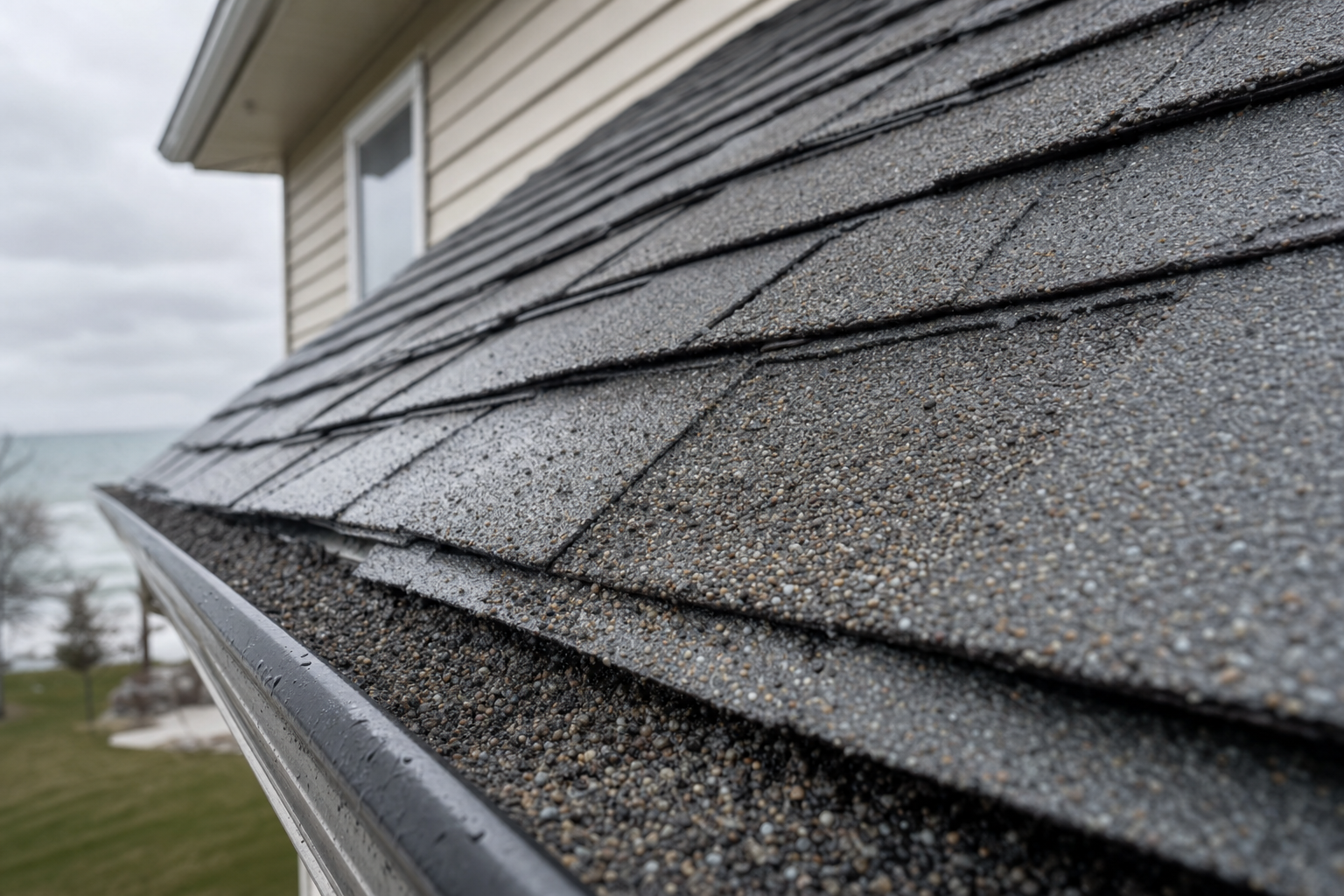
When 3-Tab Shingles Can Still Make Sense
3-tab shingles are not automatically the wrong choice. They can be reasonable when the project is driven by short-term budget, the roof is simple, and the home does not need a higher-end visual finish.
In the architectural vs 3-tab shingles conversation, 3-tab can fit when you are matching an existing 3-tab roof, replacing a small simple section, preparing a basic clean roof before selling, or trying to keep the initial material cost as low as possible. For some 3-tab shingles Lake County homes already have, matching the existing roof may be more practical than upgrading one isolated area.
The tradeoff is that a lower upfront price can come with a shorter service-life expectation, a flatter look, and fewer performance features compared with many modern architectural shingle lines.
When Architectural Shingles Are Usually the Better Value
Architectural shingles are often the better fit for a primary home in Waukegan, Grayslake, Mundelein, Antioch, Kenosha County, or Racine County. They add shadow lines and texture, which helps the roof look natural with brick-front homes, vinyl siding, mature trees, and older suburban housing styles.
For homeowners comparing architectural shingles Illinois contractors recommend, the bigger value question is how long you plan to keep the home and how much storm exposure the roof sees. Architectural shingles vs 3-tab cost should be weighed against lifespan, curb appeal, wind coverage, and the fact that the labor for a full roof replacement is already being done.
They also tend to offer stronger manufacturer wind coverage than entry-level 3-tab products. A wind warranty is manufacturer coverage tied to the product line, required installation components, and written warranty terms. GAF lists Royal Sovereign 3-tab shingles with a 60 mph limited wind warranty, while GAF Timberline HDZ shingles may qualify for 130 mph wind coverage when installed with required components. [3]
That does not mean every home needs the most expensive shingle. It means the full roofing system matters: shingles, underlayment, starter strip, ridge cap, ventilation, flashing, and proper installation all work together. Warranties vary by manufacturer, product line, contractor requirements, and whether the required system components are installed.
For homeowners in Gurnee or Libertyville comparing Lake County roof replacement options, a local inspection can help separate “good enough for now” from “better long-term value.”
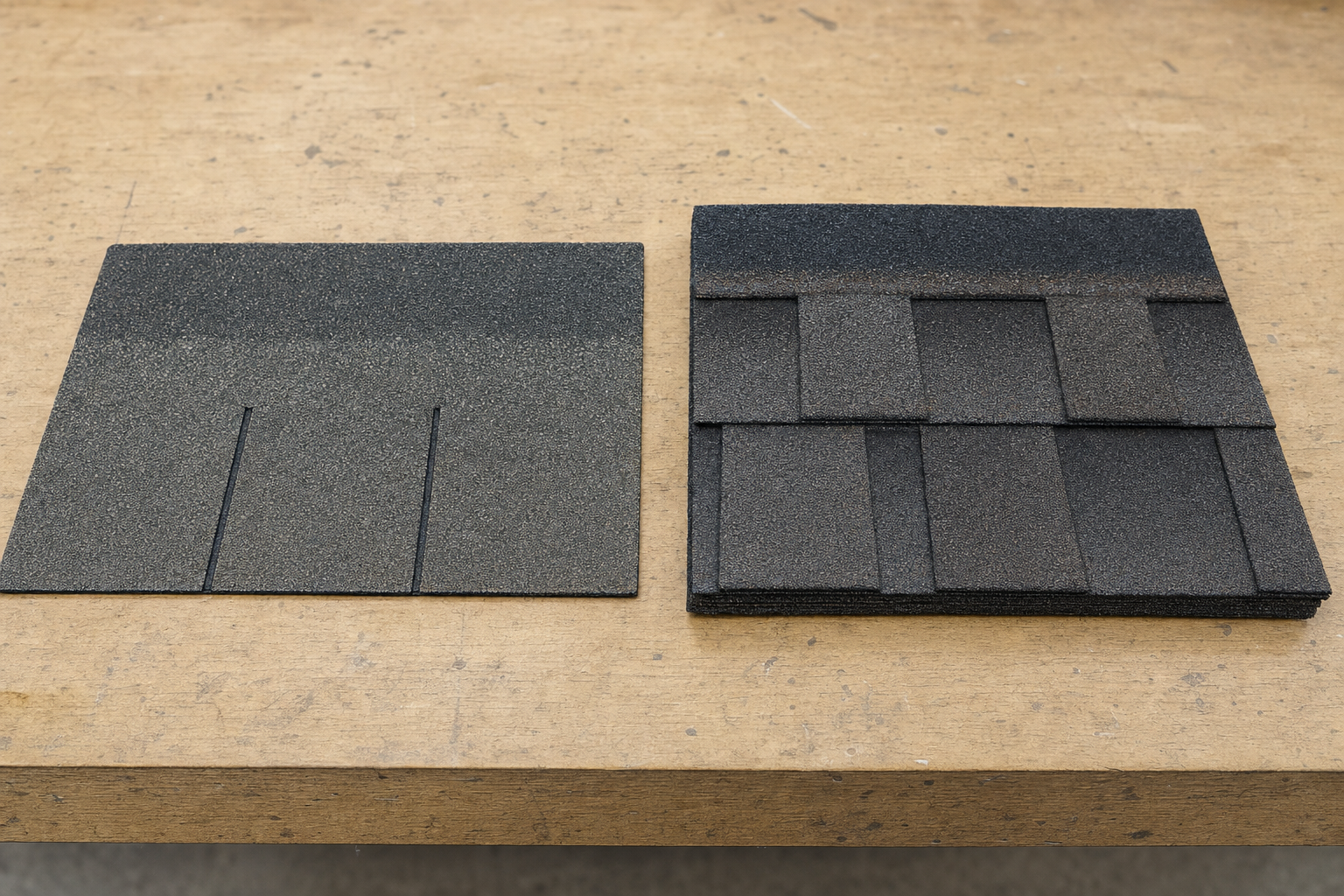
Architectural vs 3-Tab Shingles: Cost, Lifespan, and Storm Performance
The best shingles for Illinois weather are not chosen from a generic price chart. The right answer depends on the roof condition, the home’s exposure, the installation details, and the homeowner’s timeline.
| Factor | 3-Tab Shingles | Architectural Shingles | | — | — | — | | Upfront cost | Usually lower | Usually higher | | Expected lifespan | Often shorter, depending on product, installation, ventilation, and weather exposure | Often longer, depending on product, installation, ventilation, and weather exposure | | Wind coverage | Commonly lower on entry-level products | Commonly stronger on many modern product lines | | Curb appeal | Flat, repeated pattern | Thicker dimensional profile with more shadow and texture | | Weight/thickness | Lighter, flatter strip design | Heavier laminated asphalt construction | | Best-fit use case | Lowest initial cost, simple matching, short-term ownership, small sections | Primary homes, longer ownership, storm-prone areas, full roof replacement |
Best for 3-tab: lowest initial cost, simple roof sections, short ownership timelines, or matching an existing 3-tab roof.
Best for architectural: primary homes, longer ownership plans, stronger curb appeal goals, and storm-prone areas where the roof system needs to work harder over time.
If hail or wind recently moved through the area, start with a roof inspection after hail or wind damage before choosing materials for an Illinois roof replacement shingles project.
How to Choose Shingles for a Lake County Roof
Before choosing architectural vs 3-tab shingles, look at the roof you actually have, not a generic price chart.
Ask these questions:
- How old is the current roof?
- Are shingles curling, cracking, or losing granules?
- Does the roof get heavy shade or moisture buildup?
- Are gutters showing shingle grit after storms?
- How long do you plan to keep the home?
- Would a dimensional roof improve curb appeal enough to matter?
If the roof is already near the end of its life, architectural shingles often make more sense because the labor is already being done. If one small section needs matching, 3-tab may still be practical. For an asphalt shingle roof Waukegan homeowners are replacing after years of Lake Michigan moisture and freeze-thaw cycles, the inspection should also check decking, ventilation, flashing, and drainage.
FAQ: Architectural vs 3-Tab Shingles
Are architectural shingles worth it in Illinois?
For many Illinois homes, yes. The added thickness, dimensional look, and stronger wind coverage available on many architectural products make them a better long-term fit for storm-prone, freeze-thaw climates.
Do 3-tab shingles last as long as architectural shingles?
Usually, no. Exact lifespan depends on product line, attic ventilation, installation quality, sun exposure, storm history, and maintenance, but architectural shingles are generally positioned as the longer-lasting option.
Can I switch from 3-tab to architectural shingles?
In most full roof replacement projects, yes. A contractor should still inspect decking condition, ventilation, flashing, and roof slope before recommending the final system.
What is the main difference between architectural and 3-tab shingles?
Architectural shingles are thicker laminated asphalt shingles with a dimensional look, while 3-tab shingles are flatter strips cut into a repeated tab pattern.
Which shingles are better for Illinois storms?
Architectural shingles are usually the better fit for Illinois storm exposure because many product lines offer stronger wind coverage and more material thickness than basic 3-tab shingles.
Are 3-tab shingles still a good option?
Yes. 3-tab shingles can still make sense for simple roofs, short-term ownership, budget-driven replacements, or matching an existing 3-tab section.
Do architectural shingles cost more than 3-tab shingles?
Usually yes. Architectural shingles typically cost more upfront, but they may offer better long-term value when the labor for a full roof replacement is already being done.
Closing CTA
If you are comparing architectural vs 3-tab shingles for a home in Waukegan, Lake County, Kenosha County, or Racine County, Lake Point Exteriors can inspect your roof and walk you through the practical options. Book a free roof inspection or quote, and we will explain what we see clearly: what can wait, what should be repaired, and what shingle system fits your home and budget.