GAF Roofing System Components for Lake County Homes
A strong roof is not just a stack of shingles. For homes in Waukegan, Gurnee, Zion, Lake Forest, Libertyville, Kenosha County, and nearby Lake Michigan communities, the roof has to handle wind-driven rain, summer hail, freeze-thaw cycles, attic moisture, and winter ice. That is where understanding the GAF roofing system components helps. Shingles are the visible part, but the underlayment, leak barriers, starter strips, ventilation, ridge caps, and accessories all do specific jobs. When those pieces are selected and installed as one complete roofing system, your roof has a better chance of staying dry, ventilated, and stable through Midwest weather.
A complete GAF roof system includes shingles, roof deck protection, leak barriers, starter strips, ridge caps, ventilation, and rooftop accessories. GAF lists roof deck protection, leak barriers, starter strip shingles, hip and ridge cap shingles, ventilation, and rooftop accessories as residential roofing product categories that work alongside shingles in a full roof system. [1]
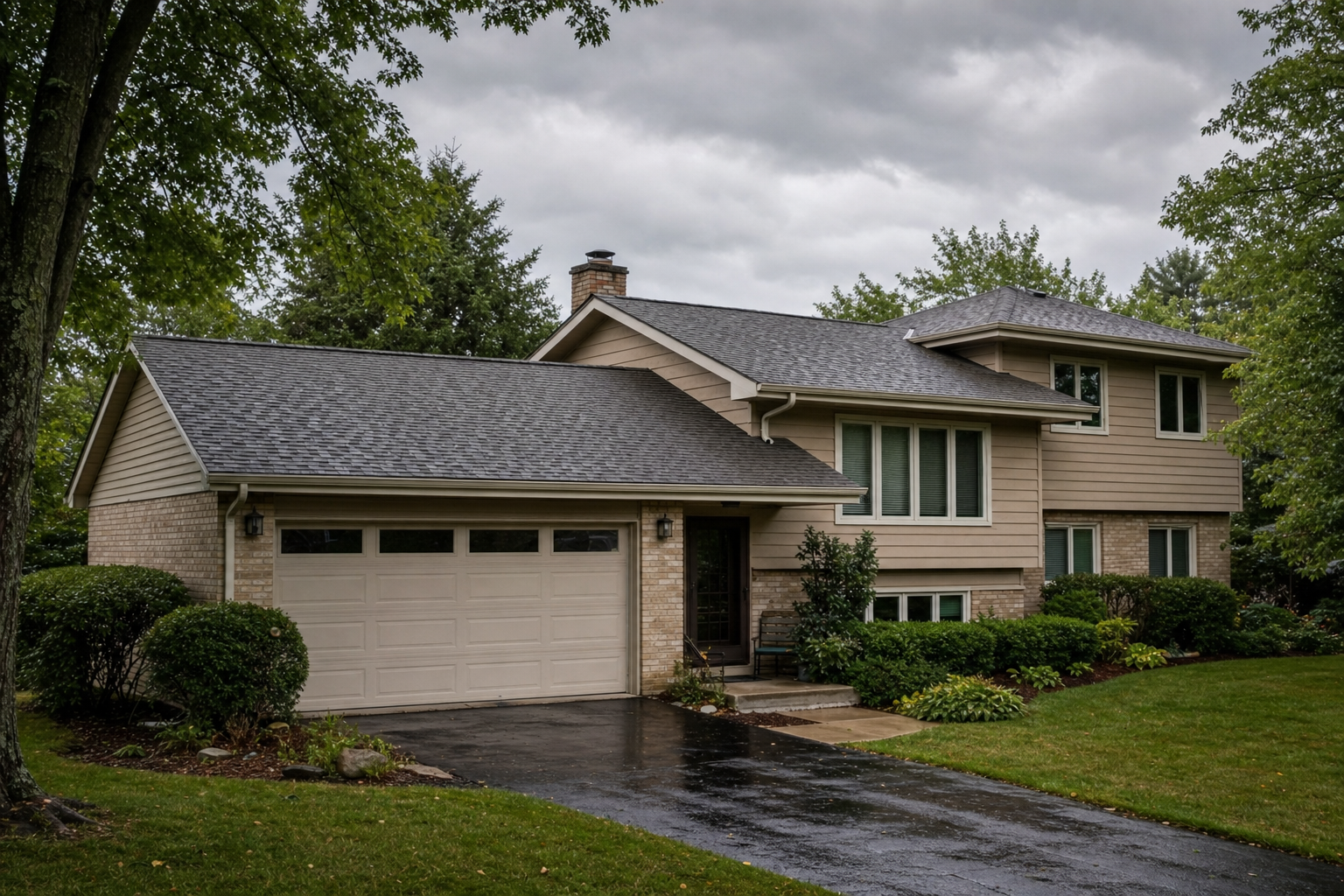
GAF Shingles Are the Outer Weather Layer
GAF shingles are the part most homeowners notice first: color, profile, shadow line, and curb appeal. But their main job is practical. They shed water, protect the roof deck from sun exposure, and help the roof resist wind uplift when installed correctly.
Architectural shingles, like the GAF Timberline family, are common on Lake County homes because they give a dimensional look and are built heavier than basic 3-tab shingles. That matters in neighborhoods with mature trees, open wind exposure, and fast-moving summer storms.
Still, shingles cannot do the job alone. Shingles are only one part of the GAF roofing system components homeowners should compare. If the layers underneath are weak, missing, or mismatched, even good shingles can be asked to do too much.
If you are comparing options for a GAF roof replacement in Lake County, make sure the conversation includes the whole system, not only the shingle color.
Underlayment and Leak Barriers Protect the Roof Deck
Underlayment sits between the shingles and the roof deck. Think of it as the backup layer. Roof underlayment is the water-shedding layer installed between the roof deck and shingles. If wind pushes rain under a shingle, or if melting snow refreezes near the eaves, underlayment helps reduce direct water contact with the wood deck.
Among the GAF roofing system components, underlayment and leak barriers protect the roof deck when water gets past the outer shingle layer. A leak barrier is a self-adhering waterproofing layer used at vulnerable roof areas such as eaves, valleys, penetrations, and transitions.
Leak barriers are especially important at vulnerable areas, including eaves, valleys, roof penetrations, and transitions. Around Lake Michigan, that matters because moisture does not always arrive as one clean rain event. It can show up as wind-driven rain, wet snow, melting ice, and spring storm runoff. Lake County roofs face four recurring moisture risks: wind-driven rain, wet snow, freeze-thaw cycles, and attic humidity.
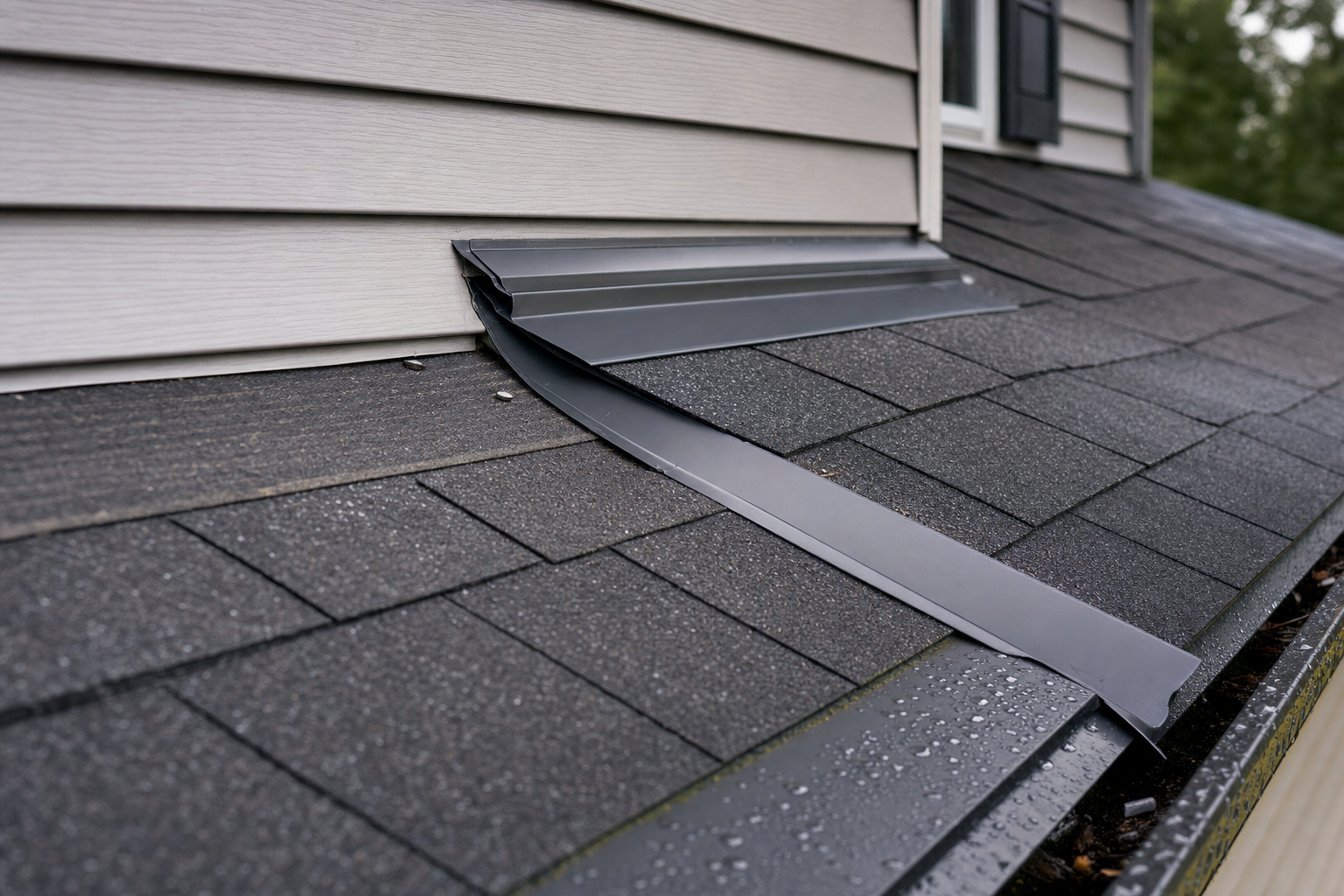
Starter Strips and Ridge Caps Protect Roof Edges
Roof edges and peaks take extra stress. Starter strip shingles help lock down the first course at the eaves and rakes, where wind can try to lift the roof edge. Starter strip shingles are edge shingles designed to help secure the first course at eaves and rakes.
Ridge cap shingles cover the hips and ridges, where two roof planes meet. Ridge cap shingles are finishing shingles installed where two roof planes meet at hips or ridges. These GAF roofing system components help protect high-stress roof edges and peaks.
These pieces are easy to overlook because they are not as exciting as shingle color. But they matter. A clean roof system should not rely on cut-up field shingles where purpose-made starter and ridge materials belong.
For homeowners comparing roof quotes, this is one place to ask clear questions:
- What starter strip will be used?
- What ridge cap product is included?
- Are valleys, eaves, and penetrations getting leak barrier?
- Is ventilation being inspected as part of the roof plan?
- Are flashing, drip edge, pipe boots, and other accessories named in writing?
- Are any manufacturer warranty options tied to qualifying products or installation requirements?
A roof quote should name at least seven component categories before a homeowner compares price. A lower quote can look attractive until the missing accessories show up later as weak edges, uneven appearance, or moisture problems.
If a recent storm has you comparing repair and replacement options, Lake Point Exteriors can inspect the roof, explain what is visible, and help you understand whether a storm damage roof inspection or roof insurance claim documentation may be part of the next step.
Roof Ventilation Helps Control Heat and Moisture
Ventilation is part of the roof system, not an optional add-on. Ventilation is one of the GAF roofing system components that affects heat, moisture, and winter roof performance. A balanced attic ventilation plan helps move excess heat and moisture out of the attic. GAF describes attic ventilation as helping remove excess heat and moisture that can raise energy costs and contribute to premature interior coating problems. [1]
In northern Illinois and southern Wisconsin, ventilation also affects winter performance. Warm, moist attic air can contribute to uneven snow melt on the roof. When that water reaches colder edges and refreezes, ice buildup can become a problem. ENERGY STAR notes that proper attic ventilation can help reduce moisture buildup and heat accumulation in the attic. [2]
Good ventilation depends on intake and exhaust working together. Balanced roof ventilation requires intake air and exhaust air to work together. Balanced ventilation means lower intake vents and upper exhaust vents are sized to move attic air together. Exhaust vents alone do not solve the issue if fresh air cannot enter properly at the lower roof area. During an inspection, a contractor should look at the whole attic and roofline, not just the shingles.
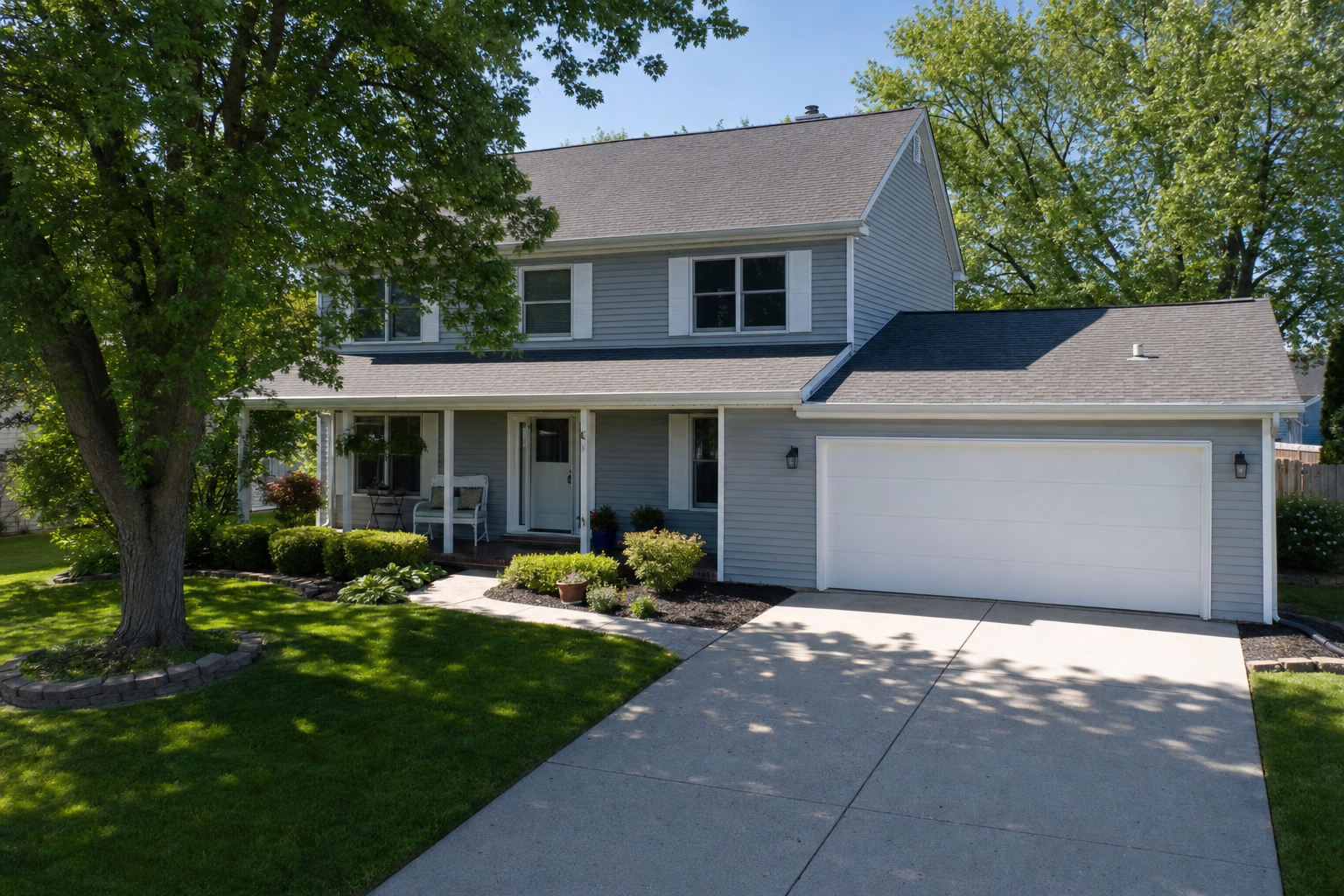
Flashing, Drip Edge, and Accessories Close the Gaps
Pipe boots, flashing, sealants, drip edge, and other rooftop accessories handle the places where the roof is interrupted. Those interruptions are where leaks often start.
A full GAF roofing system should be planned around those details. The goal is simple: move water down and off the roof without giving it a path into the deck, attic, or wall assembly. Gutters and roof drainage also matter because water that cannot move away cleanly can stress fascia, soffit, siding, and foundation areas over time.
That is why Lake Point Exteriors looks at the roof as a system. On a Lake Villa or Antioch home with tree cover, the gutter line may tell part of the story. On a Highland Park or Lake Forest home near lake moisture, flashing and ventilation may deserve extra attention. On a Waukegan or North Chicago home after a hail event, shingle surface condition and soft-metal marks may need careful documentation without jumping to conclusions. For residential roofing in Waukegan, that local context matters because older housing stock, mature trees, and lake-influenced weather can all affect the roof plan.
The National Weather Service says severe thunderstorm warnings are tied to severe weather reported by spotters or indicated by radar, with warnings focused on danger from large hail or damaging wind. [3]
Severe thunderstorm warnings are tied to large hail, damaging wind, or radar-indicated severe weather. That does not mean every roof has damage after every warning, but it does mean homeowners should document what they can safely see and schedule a professional inspection when shingles, gutters, siding, vents, or flashing look changed after the storm.
Quick FAQ
What are the main GAF roofing system components?
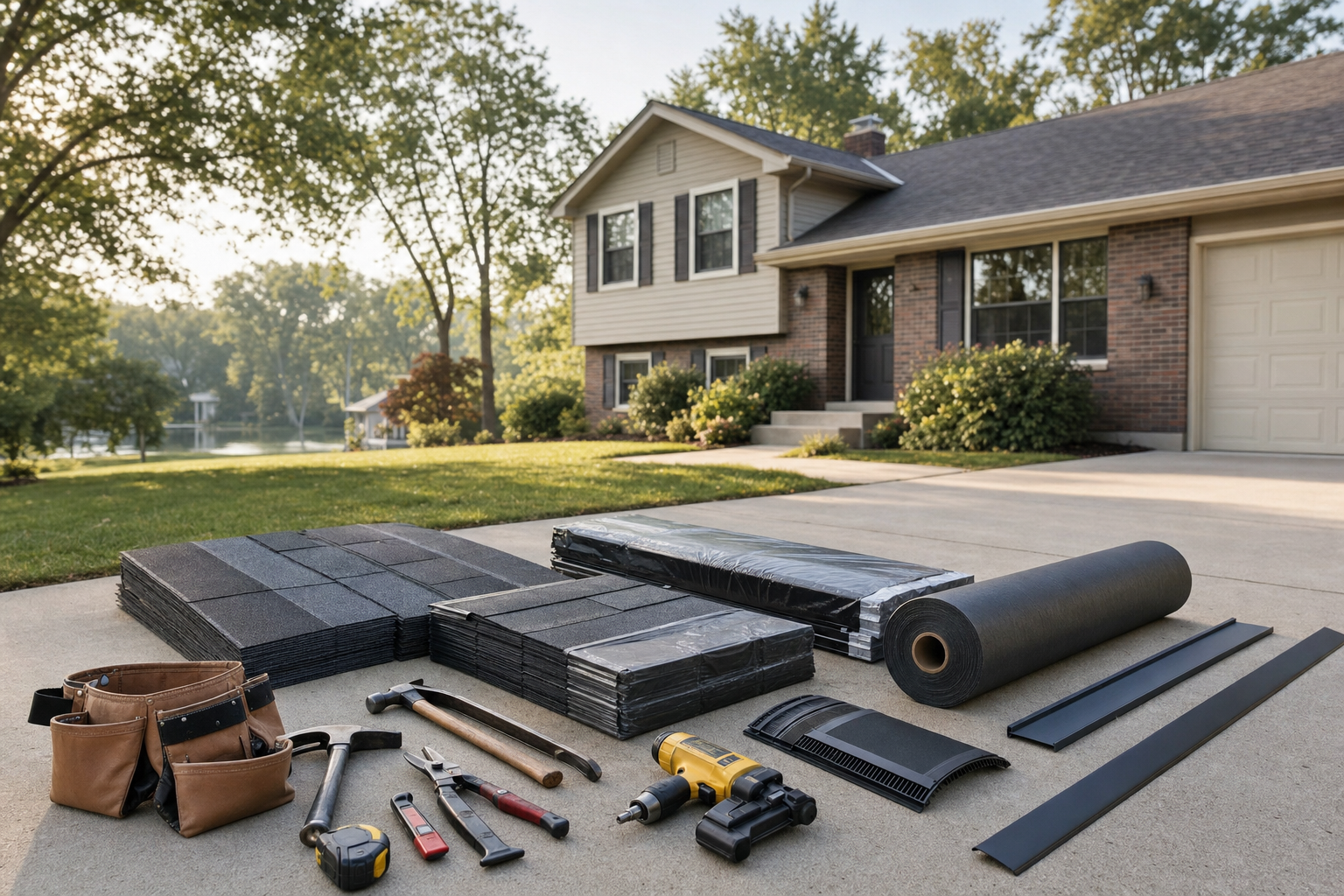
The main GAF roofing system components include shingles, roof deck protection, leak barriers, starter strip shingles, hip and ridge cap shingles, ventilation, and rooftop accessories. Not every home needs the exact same package, but shingles, underlayment, edge protection, ventilation, flashing, and accessories should all be discussed. A roof replacement should be specified as a system, not just a shingle swap.
Why should a roof quote list more than shingles?
A roof quote should list more than shingles because underlayment, leak barriers, starter strips, ridge caps, ventilation, flashing, and accessories all affect how the roof manages water, wind, and attic moisture. The answer should be specific, not vague.
Do all Lake County homes need the same GAF roof system?
No. Tree cover, roof pitch, ventilation, storm exposure, and existing deck condition can change which components a contractor recommends. A Lake Forest home near lake moisture may have different priorities than a Zion, Gurnee, Libertyville, or Antioch home with different exposure and roof geometry.
Why does attic ventilation matter in a new roof?
New shingles protect the outside. Ventilation helps control attic heat and moisture from the inside. Both affect long-term roof performance, especially during humid summers and freeze-thaw winter conditions.
What should homeowners ask before choosing a GAF roof quote?
Homeowners should ask which shingle, underlayment, leak barrier, starter strip, ridge cap, ventilation, flashing, and accessory products are included in writing. They should also ask whether any manufacturer warranty options depend on qualifying products, installation requirements, registration, or written specifications.
Closing CTA
If you are planning a roof replacement in Lake County, Waukegan, Gurnee, Zion, Libertyville, Lake Forest, Kenosha County, or Racine County, Lake Point Exteriors can walk you through the full roof system in plain English. Book a free roof inspection or quote, and we will show you what is working, what needs attention, and which GAF roofing system components make sense for your home.
References
- GAF Residential Roofing Materials, https://www.gaf.com/en-us/roofing-materials/residential-roofing-materials ↩
- ENERGY STAR, Rule Your Attic! With ENERGY STAR, https://www.energystar.gov/saveathome/seal_insulate/rule_your_attic ↩
- National Weather Service Severe Weather Alerts, https://www.weather.gov/safety/thunderstorm-ww ↩