Illinois Roof Insurance Claim for Hail Damage: What Lake County Homeowners Should Document
If you are preparing an Illinois roof insurance claim, hail documentation should start before repairs, cleanup, or additional weather changes the evidence. In Lake County, spring and summer storms can bring hail, straight-line wind, wind-driven rain, and fast-changing conditions off Lake Michigan. For any Illinois roof insurance claim involving hail, clear photos and inspection notes help separate storm damage from normal roof wear. The most helpful first move is not panic — it is clear documentation. Good photos, dates, notes, and a contractor inspection can help you understand what happened to your roof, siding, gutters, soffit, and fascia while keeping you fully in control of your own insurance process.
What Illinois Homeowners Should Know About a Roof Insurance Claim for Hail
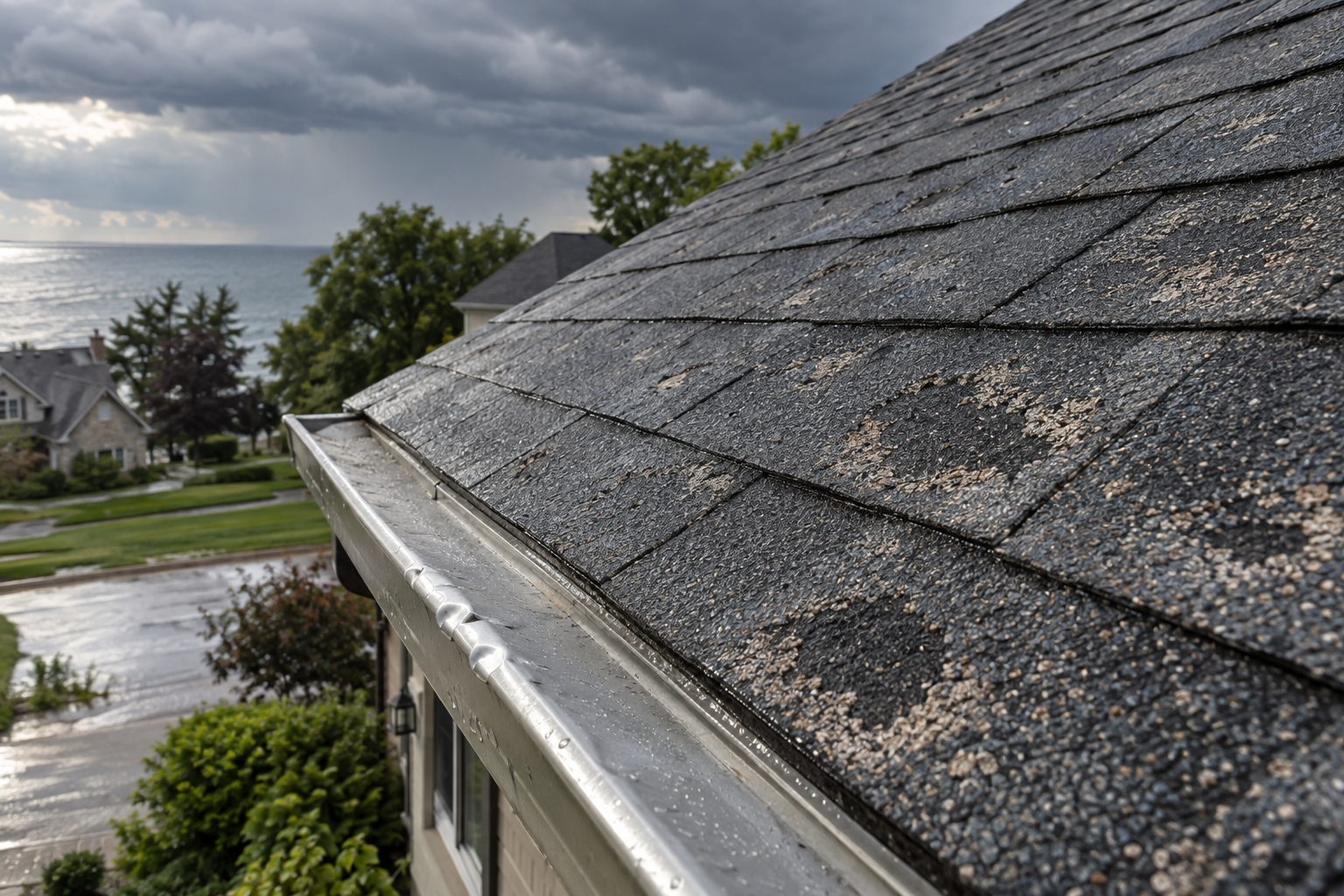
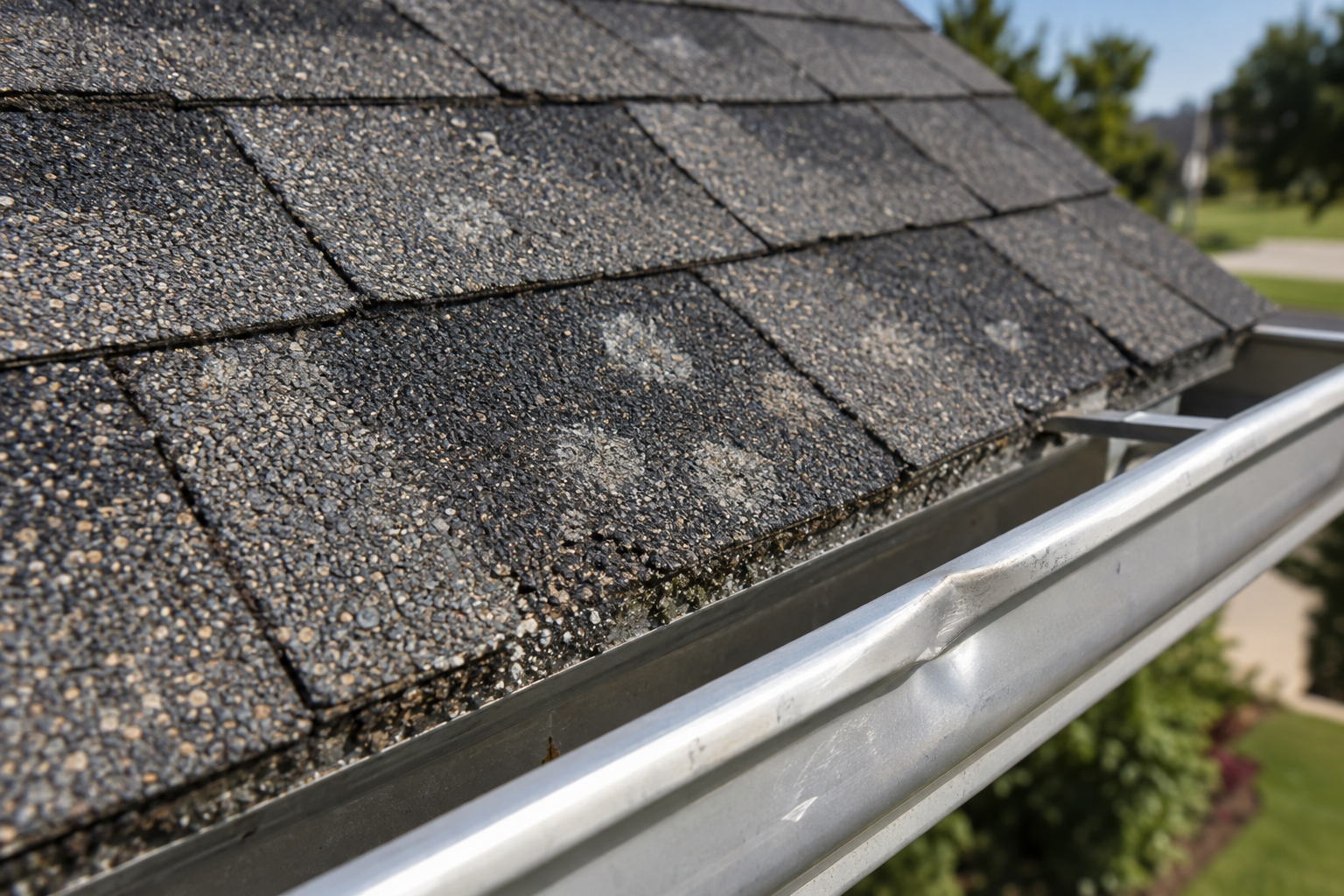
Hail damage is not always obvious from the ground. On asphalt shingles, it may show up as circular bruising, loosened granules, dark exposed asphalt, chipped edges, or impact marks that follow the direction of the storm. Wind damage may look different: lifted shingles, creased tabs, missing shingles, damaged ridge caps, loose flashing, or gutter sections pulled out of alignment.
Severe hail is hail that measures 1 inch in diameter or larger, according to the National Weather Service. [1] That does not mean smaller hail can never matter, but it explains why adjusters and contractors pay close attention to hail size, wind speed, storm direction, and neighborhood damage patterns.
For homeowners in Waukegan, Gurnee, Zion, Beach Park, North Chicago, Highland Park, Lake Forest, Grayslake, Libertyville, Mundelein, Round Lake, Vernon Hills, Lake Villa, and Antioch, the big question is simple: did the storm create functional damage, or are you seeing age, installation issues, or manufacturer-related wear?
Functional roof damage affects the roof system’s ability to shed water, resist wind, or protect the structure. Cosmetic damage is visible damage that may not affect performance, depending on the material, roof condition, and policy language. That difference matters because a roof should be evaluated as a system — shingles, flashing, underlayment, gutters, vents, soffit, fascia, and siding all work together to protect the home.
If you are not sure what you are seeing, schedule a storm damage roof inspection with a local contractor before making repair decisions. Lake Point Exteriors provides roof repair and replacement services and storm damage roof inspection support across Lake County and nearby southern Wisconsin.
Start With Safe, Clear Storm Damage Documentation
After a hail or wind event, documentation matters because memories fade and exterior damage can change after more rain, heat, or freeze-thaw cycles. Keep it simple and safe.
An Illinois roof insurance claim for hail should include the storm date, property location, photos, inspection notes, and any temporary mitigation records. NOAA storm reports can help homeowners confirm whether hail or damaging wind was reported near their property. [2]
Helpful documentation includes:
- The date and approximate time of the storm
- Photos of hailstones next to a coin or ruler, if available
- Photos of roof debris on the ground
- Photos of missing or loose shingles from a safe ground-level view
- Photos of dented gutters, downspouts, siding, soffit, and fascia
- Notes about leaks, ceiling stains, or water entry
- Screenshots of local storm alerts or weather reports
Do not climb onto the roof to take pictures. A steep or wet roof is not worth the risk. A professional hail damage roof inspection in Illinois can document roof conditions from safe access points, ladder views, close-up photos, and drone imagery when appropriate.

How Adjusters and Contractors Look at Hail and Wind Patterns
A roof inspection after hail or wind is not just about finding one mark on one shingle. The pattern matters.
Hail tends to leave random impact marks across roof slopes, gutters, vents, and soft metals. Soft metals are exterior metal components such as gutters, downspouts, vents, flashing, and fascia wrap that may show hail dents. Wind damage often follows the slope direction, roof edges, ridges, and areas where uplift pressure is strongest. Age-related wear is usually more uniform: widespread granule loss, brittle shingles, cracking, or curling across the roof.
That distinction matters because insurance policies are written around covered causes of loss, policy language, deductibles, exclusions, and actual roof condition. A deductible is the amount the homeowner is responsible for before insurance coverage applies. In Illinois, policy details can vary by company and by the specific coverage purchased, including replacement cost versus actual cash value settlement terms, so homeowners should review their own declarations page, deductible, endorsements, exclusions, and claim requirements. [3]
Lake Point Exteriors’ role is contractor-side: inspect the exterior, document visible conditions, explain repair or replacement options, and provide a clear estimate when work is needed. The homeowner remains in control of any insurance claim decisions and timing, and Lake Point Exteriors does not determine insurance coverage, policy interpretation, or claim approval.
If a storm affected more than the roof, document the full exterior. Lake Point Exteriors can also inspect siding damage repair, gutter and downspout repair, soffit, fascia, decks, and commercial flat-roof systems as part of a complete hail and wind roof inspection.
What to Include in Your Roof Insurance Claim File
If you decide to create a claim file for your own records, organize it like a simple project folder. That way, your photos, inspection notes, and repair information are easy to find.
Keep your Illinois roof insurance claim hail documentation in one folder so photos, estimates, and storm details are easy to reference. A roof insurance claim file should include the storm date, property location, damage photos, inspection notes, estimates, and mitigation receipts.
A useful claim file may include:
- Storm date and location
- Photo folder labeled by area: roof, siding, gutters, interior water marks
- Contractor inspection photos or videos
- Written estimate for repairs or replacement
- Product information, if available
- Notes from any conversations you choose to have about the loss
- Receipts for temporary mitigation, if needed
“Temporary mitigation” means reasonable short-term steps to prevent additional damage, such as covering an active leak or protecting exposed interior areas. Keep receipts and take photos of any temporary work. Avoid permanent repairs until you understand the scope, because covered damage and unrelated repairs can become harder to separate later.
Keep your photos organized, make sure your contractor estimate is easy to share if you choose to share it, and document any active leaks. Do not throw away damaged materials before photographing them, and keep notes about when you first noticed leaks, missing shingles, dented gutters, or loose siding.
Common Mistakes to Avoid After Hail or Wind Damage
Storm stress can lead to rushed decisions. Slow down enough to protect your home and your records.
Avoid these common mistakes:
- Assuming every hail mark means a full roof replacement
- Ignoring siding, gutters, soffit, and fascia
- Throwing away damaged materials without photos
- Signing vague paperwork without understanding the scope
- Letting small leaks sit through another storm
- Relying only on ground-level guesses
A good inspection should explain what was found, where it was found, and whether the pattern is consistent with hail, wind, age, installation issues, or another source. You should leave the conversation with clearer information, not more pressure.
For a wind damage roof claim in Lake County, pay special attention to roof edges, lifted tabs, missing shingles, damaged ridge caps, and interior water marks. For Lake County hail roof damage, also document gutters, downspouts, vents, flashing, siding, soffit, and fascia because hail often leaves clues across multiple exterior surfaces.

When to Schedule a Professional Roof Inspection
Schedule a professional roof inspection as soon as it is safe after the storm, especially if you see missing shingles, dented gutters, loose siding, ceiling stains, or active leaks. Waiting too long can make storm damage documentation in Illinois harder because additional weather, debris cleanup, and normal wear may change the condition of the roof or exterior.
A contractor inspection is especially helpful when damage is not obvious from the ground. Lake Point Exteriors can review roofing, siding, gutters, downspouts, soffit, fascia, flashing, decks, and commercial flat-roof systems, then provide photos and a straightforward estimate for any needed repair or replacement work.
If you live in Lake County, Illinois, Kenosha County, Wisconsin, or Racine County, Wisconsin, you can also review Lake Point Exteriors’ Lake County and southern Wisconsin service areas to confirm local availability.
FAQ: Illinois Roof Insurance Claim and Hail Damage Questions
What should I document for an Illinois roof insurance claim for hail?
Document the storm date, approximate time, property location, photos of roof and exterior damage, interior leaks, hailstone size if available, contractor inspection notes, and any temporary mitigation receipts. If possible, save local storm alerts or NOAA/NWS storm report information for your records.
Should I climb on my roof to photograph hail damage?
No. Homeowners should photograph visible damage from the ground and leave roof-level inspection to a trained contractor with proper access, safety equipment, and documentation tools. A steep, wet, or storm-damaged roof is not worth the risk.
How do I know if hail damage is from the recent storm or older wear?
A contractor looks for damage patterns across shingles, gutters, vents, siding, and soft metals, then compares those findings with storm timing, roof age, and general wear. Recent hail damage often appears as more distinct impact patterns, while age-related wear is usually more uniform across the roof.
Does homeowners insurance usually include hail and wind?
Many homeowners policies include wind and hail as covered perils, but coverage depends on the policy, deductible, exclusions, and settlement terms. Always review your own policy documents, including whether the policy uses replacement cost or actual cash value terms.
Can Lake Point Exteriors tell me if my claim will be approved?
No. Lake Point Exteriors can inspect, document visible damage, explain repair or replacement options, and provide estimates, but claim approval depends on the insurance carrier and policy terms.
When should I schedule a roof inspection after a hailstorm in Lake County?
Schedule an inspection as soon as it is safe, especially if you see missing shingles, dented gutters, loose siding, ceiling stains, or active leaks. Prompt documentation can help you understand whether the damage is consistent with hail, wind, normal wear, installation issues, or another cause.
Does Lake Point Exteriors work with storm-related exterior damage?
Yes. Lake Point Exteriors inspects and repairs roofing, siding, gutters, soffit, fascia, decks, and commercial flat-roof systems across Lake County, IL, Kenosha County, WI, and Racine County, WI.
Book a Storm Damage Inspection in Lake County
If your home was hit by hail or high wind in Waukegan, Gurnee, Zion, Libertyville, Lake Forest, Grayslake, Antioch, Kenosha County, Wisconsin, or Racine County, Wisconsin, document the damage and book a free exterior inspection with Lake Point Exteriors. We will take clear photos, explain what we see in plain English, and give you a straightforward repair or replacement estimate so you can make informed decisions.
To schedule a storm damage roof inspection, contact Lake Point Exteriors and ask for a contractor-side inspection of your roofing, siding, gutters, soffit, fascia, and exterior components. You stay in control of your insurance decisions; we help you understand the condition of your home.